
St Laurent
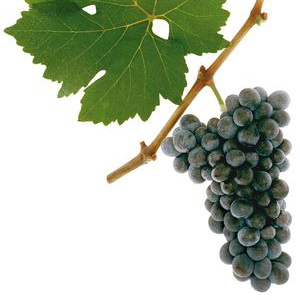 St. Laurent (in German, Sankt Laurent) is actually named after St. Laurentius’ Day, August 10, which is the day, traditionally, when the grapes begin to change colour.
It is mainly found in Austria although gaining in popularity in Germany.
The Sankt Laurent sports juicy berries, velvety tannins and it is often quite mouth-filling. Its colour leans towards a deep, dark red. Sankt Laurent wines tend to be fruity and multi-layered and with just a little bit of age can develop an exceptionally smooth texture. However, it is the wine’s bright sour cherry aromas and flavours which are typically offset by subtle tartness.
-
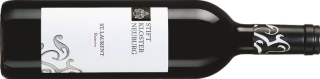 St. Laurent Reserve 2012The silkiest red.£37.80Winemaker: Stift KlosterneubergCountry: AustriaVariety: St LaurentVintage: 2012
-
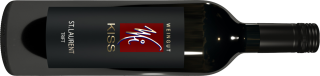 St Laurent Trift 2017Will be delicious for over a decade£25.87Winemaker: Weingut KissCountry: AustriaVariety: St LaurentVintage: 2017
With its somewhat low yield, the variety is considered difficult in the vineyard and was not always appreciated. It needs good sites with deep soils. It is sensitive during the flowering period and sensitive to late frost. It brings inconsistent yields.
Like many other grape varieties, the facts behind its origins are not easily confirmed. One theory suggests that cuttings were offered by a grape collector called Saint-Laurent du Var while another that it comes from Alsace, where it was known as Schwarzer. Although it shares its name with a number of French villages, there is nothing to suggest that they had anything to do with the naming of this grape. Most likely is the idea mentioned above that it was named after the patron saint of chefs, whose patronal festival coincides with the traditional day on which the berries change colour. It is one of the first grapes planted at the monastery of Klosterneuburg in their experimental vineyard in 1863.
If you are a fan of Zweigelt, remember that in 1922 Fritz Zweigelt combined the Sankt Laurent grape with Blaüfrankisch to create Zweigelt. It is a very good parent indeed.
It is not however closely related to Pinot. Sankt Laurent is not the same as Pinot Saint-Laurent. Although Sankt Laurent is not Pinot Noir, any more than Carménère is Merlot, there are some similarities to be found. If you like a meatier, gamier Pinot Noir, try this – you will not be disappointed!
A sophisticated wine with a lingering finish that continues to delight for ages. It pairs well with most food, especially meats and, as many commentators advise, those foods which you shouldn’t really eat, like barbeques, cheese and anything fatty.
