
Blauer Portugieser
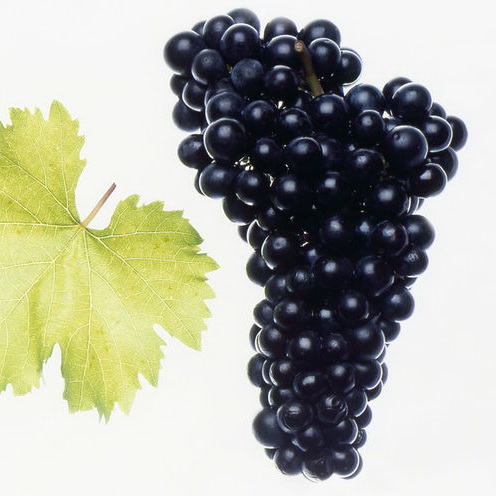 Although popular for its generous harvests, the variety has poor disease resistance (mildew and grey rot are a particular concern) and requires careful maintenance in the vineyard to make good wine.
Despite the suggestion of the grape's name of having a Portuguese origin, ampelographers have uncovered little evidence to suggest that this is the case. It is often said that the Austrian, Johann von Fries, brought it from Oporto to his estates near Voslau in 1772. Until recently and for that reason, it was called Kékoportó in Hungary. There is evidence to indicate that by the 19th century, the grape was widely established in Austria and that it was then that cuttings were brought to Germany.
-
 Grande Cuvée Rosé 4 Mal 5 2023 2023A Rare complex Rosé blend of 5 different varieties£22.60Winemaker: Weinhof WaldschützCountry: AustriaVariety: Blauer Portugieser, Cabernet Sauvignon, Merlot, ZweigeltVintage: 2023
