Wagram
The Region
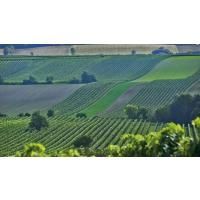
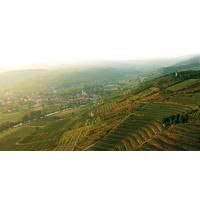
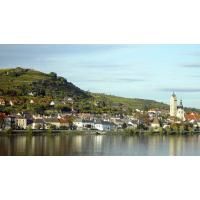
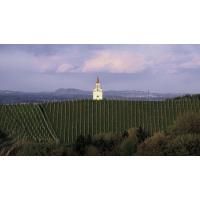
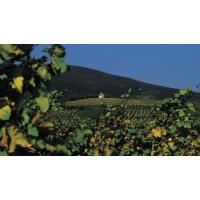
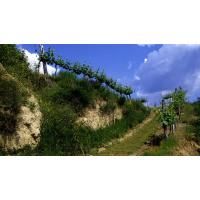
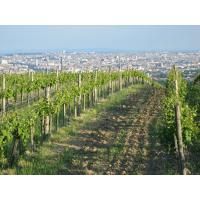
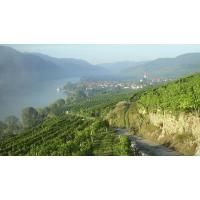
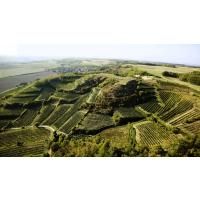
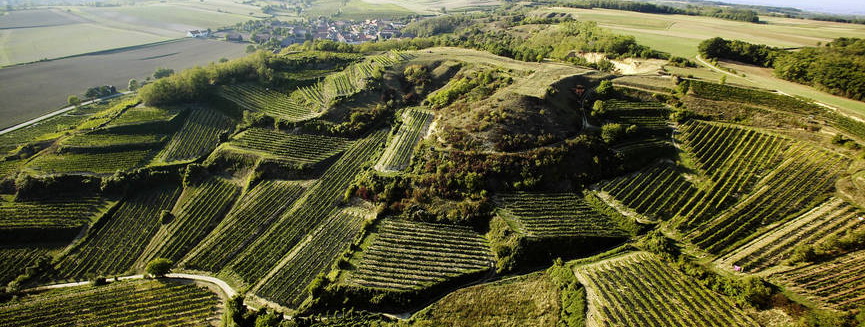
Wagram is one of the 5 regions that follow each other along the Danube: Wachau, Kremsal, Kamptal Traisental and Wagram. The Wachau is the narrowest and steepest, the next three are linked to tributary river valleys, and Wagram is situated where the valley has gotten wider and the Danube has plowed a river valley plain. The vineyards are all on the "break point" between the older, higher plateau and the river valley, on loam, or Löss in German.
Terroir
Like many other Austrian wine regions, Wagram's terroir is affected by its distinctly continental climate. Warm breezes coming from the warm Pannonian Plain to the east are tempered by cool Alpine influences from the north. Warm and dry days followed by much cooler nights help to preserve the vital flavour profiles of the grapes.
The Wagram plateau is bordered on its northern side by a ridge 20m (65ft) high that runs parallel to the Danube for around 25km (15 miles). This is an ancient shore of the river, and Wagram's name comes from the word Wogenrain, meaning shore.
Soils in Wagram are more or less uniform across the entire region, with a deep and dominant layer of loess – a point of pride for local vignerons. This loess has good water-storage capacities and there is little need for irrigation during the dry growing season.
Wagram Wine Producers
-
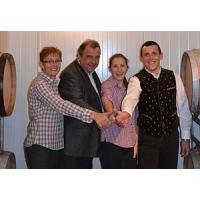 Weinhof Waldschütz
Delicious mineral wines
Wagram Wine Grapes
some of the most typical varieties in Wagram
-
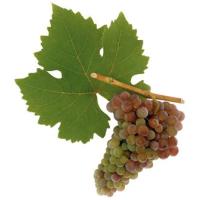 Frühroter Veltliner
Another ancient Veltliner
-
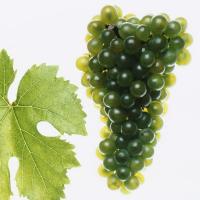 Grüner Veltliner
Austria's favourite white wine
-
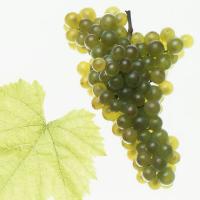 Pinot Blanc
The best wine for thinking
-
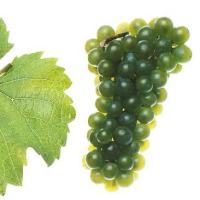 Riesling
The great white wine, for good reason
-
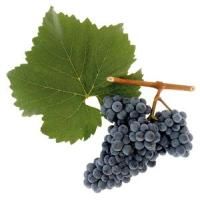 Zweigelt
The smooth and spicy young red from Austria
Traditional Products
Wagram is a well-known area for growing walnuts as well as many grapes.
The walnut is thought to be the oldest tree fruit. It originated in Persia, where findings of the remains of fossilised shells verify that it was already in use there in 7000 BC. From Persia it spread to Central Asia, China and Greece via trade routes. Roman legionaries brought the walnut to the Roman Empire as well as to the lands on the other side of the Alps.
At first, the tree was known in German as Walschbaum, which is derived from the word Walsch or Welsch, the original Germanic term for Celts or the inhabitants of Italy. It was only in the 18th century that the name Walnussbaum came into use. Occasionally the walnut is called “Persian walnut” due to its origin.
-
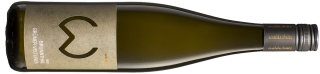 Grüner Veltliner Reserve Brunnthal 2017Single vineyard slow Grüner, very special£31.80Out of stockWinemaker: Weinhof WaldschützCountry: AustriaVariety: Grüner VeltlinerVintage: 2017
-
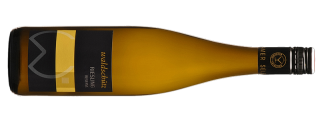 Riesling Ried Anzenthal 2020A delicious single vineyard expression of Riesling£28.20Winemaker: Weinhof WaldschützCountry: AustriaVariety: RieslingVintage: 2020
-
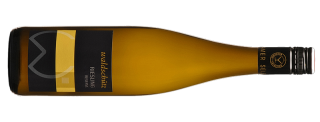 Riesling Reserve 2015A warmer vintage£22.80Winemaker: Weinhof WaldschützCountry: AustriaVariety: RieslingVintage: 2015
-
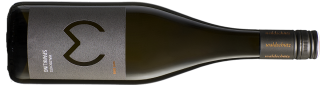 Sparkling Soft DryThe softer version, the "brunch wine"£22.74Winemaker: Weinhof WaldschützCountry: AustriaVariety: Grüner Veltliner, Müller Thurgau, RieslingVintage: NV
-
 Sparkling Extra DryThe extra dry version, more serious and a touch more austere - for later in the day£22.18Winemaker: Weinhof WaldschützCountry: AustriaVariety: Grüner Veltliner, Müller Thurgau, RieslingVintage: NV
-
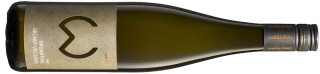 Grüner Veltliner Ried Brunnthal OTW 2019Single vineyard slow Grüner, very special£31.80Out of stockWinemaker: Weinhof WaldschützCountry: AustriaVariety: Grüner VeltlinerVintage: 2019
-
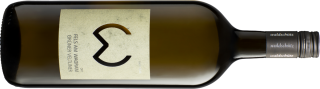 Grüner Veltliner Fels MAGNUM 2020 MagnumLast few magnums!£45.67Winemaker: Weinhof WaldschützCountry: AustriaVariety: Grüner VeltlinerVintage: 2020
-
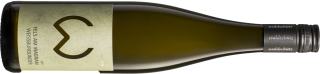 Weissburgunder Fels Reserve Magnum 2021 MagnumRich expressive Pinot Blanc - if you like the other Fels, you should like this too£39.80Winemaker: Weinhof WaldschützCountry: AustriaVariety: Pinot BlancVintage: 2021
-
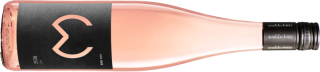 Zweigelt Rosé 2022The zingy one£18.34Winemaker: Weinhof WaldschützCountry: AustriaVariety: ZweigeltVintage: 2022
-
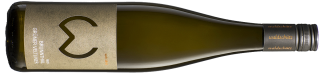 Grüner Veltliner Ried Brunnthal OTW 2021Single vineyard slow Grüner, very special£31.80Winemaker: Weinhof WaldschützCountry: AustriaVariety: Grüner VeltlinerVintage: 2021
-
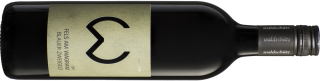 Blauer Zweigelt Fels 2022Fantastic example of Zweigelt.£22.82Winemaker: Weinhof WaldschützCountry: AustriaVariety: ZweigeltVintage: 2022
-
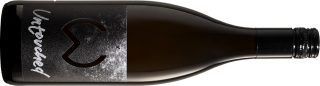 Grüner Veltliner Untouched 2022The wilder one£22.84Winemaker: Weinhof WaldschützCountry: AustriaVariety: Grüner VeltlinerVintage: 2022
-
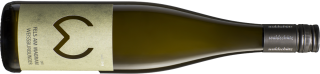 Weissburgunder Fels Reserve 2023Rich expressive Pinot Blanc£23.09Winemaker: Weinhof WaldschützCountry: AustriaVariety: Pinot BlancVintage: 2023
-
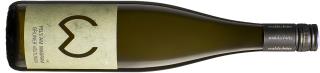 Grüner Veltliner Fels 2024A star wine - this is what Grüner Veltliner should be£22.84Winemaker: Weinhof WaldschützCountry: AustriaVariety: Grüner VeltlinerVintage: 2024
-
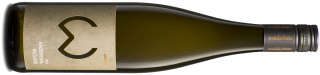 Riesling Ried Anzenthal 2023A really delicious Riesling Reserve£26.45Winemaker: Weinhof WaldschützCountry: AustriaVariety: RieslingVintage: 2023
Austrian Wine Regions