
Humagne Rouge
 Humagne Rouge is a traditional Swiss grape variety grown in Valais. Stylistically, Humagne Rouge wines tend to vary between darker red wines, a bit lighter than Syrah, with rustic and herbal notes over peppery black fruit to an elegant light-red wine, a bit like a well structured Pinot Noir with amazing tannins. This lighter style and what we call the elegance-with-an-edge approach that seeks to balance the two possibilities, are largely responsible for Humagne Rouge's increasing popularity, but the more Syrah-like style still has its adherents.
Humagne Rouge is a late ripening variety and the rustic and herbal notes diminish as the grape reaches phenolic maturity, so the choice of a vineyard site is very important in terms of obtaining the result you want. When discussing Humagne Rouge, Robert Taramarcaz commented that it was the variety where the style of wine being produced in Valais had changed the most in the last 10 years.
-
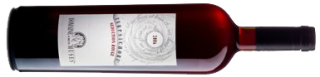 Terpsichore Séduction Rouge 2010A stunning blend of the two main Valais native reds. Worth every penny!£79.27Winemaker: Domaine des MusesCountry: SwitzerlandVariety: Cornalin, Humagne RougeVintage: 2010
-
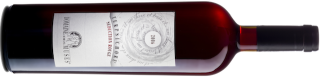 Terpsichore Séduction Rouge 2011A stunning blend of the two main Valais native reds. Worth every penny!£77.29Winemaker: Domaine des MusesCountry: SwitzerlandVariety: Cornalin, Humagne RougeVintage: 2011
-
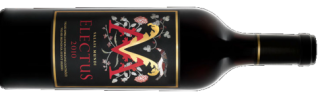 Electus 2011A wine created to raise expectations about Swiss wine to a whole new level.£123.00Winemaker: Valais MundiCountry: SwitzerlandVariety: Cabernet Franc, Cabernet Sauvignon, Cornalin, Diolinoir, Humagne Rouge, SyrahVintage: 2011
DNA testing recently determined that Humagne Rouge originated in the Val d'Aosta in Italy (just over the St. Bernard pass from Valais) where it was commercially extinct, but has now been replanted under its original name "Cornalin". The original name is used as the botanical name for the grape so Humagne Rouge is (Cornalin). However, the Swiss had reused the "abandoned" name Cornalin in the 1970's as a more marketable name for the grape (Rouge du Pays).
In Switzerland wines called Humagne Rouge and Cornalin are made from different grapes, but a Humagne Rouge from Switzerland and a Cornalin from Italy are made from the same grapes. You may see people distinguish the separate uses of Cornalin as "Cornalin d'Aoste" and "Cornalin du Valais" but the easiest way is to just know whether the wine is from Italy or Switzerland.
Humagne Blanche (Humagne) is, despite the name, unrelated to Humagne Rouge (Cornalin). The grape the Swiss call Cornalin (Rouge du Pays) is one of the parents of Humagne Rouge (Cornalin), the other being unknown and assumed extinct.
